Which Fire Suppression Systems Should Be Used in Offices?
Answer: It depends on the area. Open-plan offices and corridors typically use automatic sprinklers plus fire hose cabinets. Server rooms and archives need clean agent (gas) suppression, such as FM-200 or Novec 1230, that won’t damage equipment. Kitchens and general-use areas are covered by the right class of portable fire extinguisher (dry chemical or CO2). All of this sits on top of a fire detection and alarm system, which is what actually triggers automatic suppression and alerts occupants.
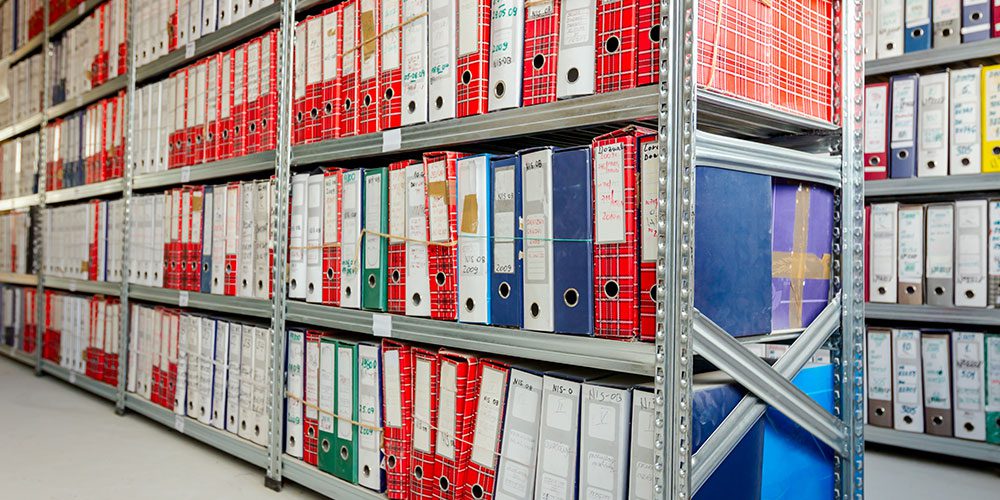
Which fire suppression systems should be used in offices? The answer depends on which part of the office you’re protecting: an open-plan floor, a server room, and a kitchen each carry a different fire risk and call for a different technology. Open areas and corridors typically rely on automatic sprinklers and fire hose cabinets; server rooms and archives need clean agent (gas) suppression that won’t damage equipment; and kitchens or general-use areas are covered by the right class of portable fire extinguisher. Office fire safety isn’t optional — it’s a legal responsibility placed on building owners and facility managers under Türkiye’s Regulation on Fire Protection of Buildings, and getting the system selection right for each zone is what actually keeps people and equipment safe.
Choosing the Right System by Office Area
| Area Type | Recommended System | Why |
|---|---|---|
| Open-plan offices, corridors, meeting rooms | Automatic sprinklers + fire hose cabinets | Wide area coverage, low cost, typically mandatory under building fire codes |
| Server/IT rooms, archives | Clean agent (gas) suppression (FM-200 / Novec 1230) | Zero damage to electronics and critical data, safe for use in occupied spaces |
| Kitchens, break rooms, general-use areas | Portable fire extinguishers (dry chemical and CO2) | Targeted first response, low-cost initial intervention, covers multiple fire classes |
Open-Plan Offices and Corridors: Automatic Sprinklers and Fire Hose Cabinets
Open-plan floors and corridors are large, continuously occupied spaces, which makes automatic sprinkler systems the standard solution here. Ceiling-mounted sprinkler heads activate only once heat crosses a set threshold directly above them, suppressing the fire at the early stage without soaking the entire floor. Fire hose cabinets placed along corridors add a manual first-response layer that most building codes treat as a standard complement to sprinklers, not an alternative to them.

Server Rooms and Archives: Clean Agent (Gas) Suppression
Server rooms, network cabinets, and archive rooms are exactly where water damage would be as costly as the fire itself. This is where clean agent gas suppression systems come in: agents like FM-200 or Novec 1230 extinguish a fire within seconds without depleting oxygen or leaving any residue behind, protecting both the equipment and any personnel in the room. These systems are designed to NFPA 2001, which sets the core requirements for clean agent extinguishing.
Kitchens, Break Rooms, and General Areas: Fire Extinguishers
Office kitchens, break rooms, and electrical panel rooms need fast, low-cost first response, which is exactly what portable fire extinguishers provide. Dry chemical (ABC) extinguishers cover general Class A, B, and C fires, while CO2 extinguishers are preferred near electrical panels and sensitive equipment because they leave no residue. Recharge and inspection intervals for these units follow NFPA 10, and every extinguisher needs to be matched to the fire class actually present in that specific area.
Why Fire Detection and Alarm Systems Are Essential
No suppression system can respond to a fire it hasn’t detected. Fire detection and alarm systems — smoke detectors, heat detectors, manual call points, and a central alarm panel — form the early-warning backbone that makes everything else in an office fire safety plan actually work. These systems don’t just sound an alarm; addressable panels pinpoint exactly which floor and room triggered the alert, which directly affects both evacuation time and how fast fire crews can respond once they arrive. Even where sprinklers or gas suppression are installed, most of those systems still depend on the detection layer to trigger automatically — detection isn’t a nice-to-have alongside suppression, it’s the foundation everything else sits on.
Regulatory Requirements and Periodic Maintenance
In Türkiye, the design, installation, and maintenance of office fire safety systems fall under the Regulation on Fire Protection of Buildings. The regulation sets requirements based on a building’s size, number of floors, and intended use — office buildings above a certain height or occupancy load are generally required to have both a sprinkler system and an addressable fire alarm system installed.
Compliance doesn’t end at installation. A sprinkler valve left unmonitored, an uncalibrated smoke detector, or an expired fire extinguisher can all fail exactly when they’re needed most. That’s why periodic maintenance and inspection has to run on a fixed schedule for the life of the system, not just at handover. Keeping documented maintenance records also matters for two very practical reasons beyond compliance: they’re the first thing an inspector asks for, and they’re what an insurer looks at when reviewing a claim after a fire.
Office Fire Safety Checklist
Use this list as a quick gut-check on whether your office covers the basics:
- ☐ Are open-plan areas and corridors protected by automatic sprinklers?
- ☐ Are fire hose cabinets accessible along corridors?
- ☐ Are server/IT rooms protected by a clean agent suppression system?
- ☐ Do kitchens and panel rooms have the correct class of fire extinguisher (dry chemical/CO2)?
- ☐ Is a fire detection and alarm system (addressable or conventional) installed building-wide?
- ☐ Are manual call points easy to reach and clearly visible?
- ☐ Is there a documented, tracked periodic maintenance schedule for every system?
- ☐ Are fire extinguisher recharge/inspection dates current?
- ☐ Are evacuation plans and fire drills conducted regularly?
Get a Free Site Survey and Office Fire Safety Proposal
At ELVA Engineering, we handle office fire safety end to end — from risk analysis and system design through installation and periodic maintenance. We can help you determine the right combination of sprinklers, clean agent suppression, and detection systems for your specific layout.
Contact our team to schedule a site-specific assessment and proposal.