Explosion Isolation

Explosion Isolation

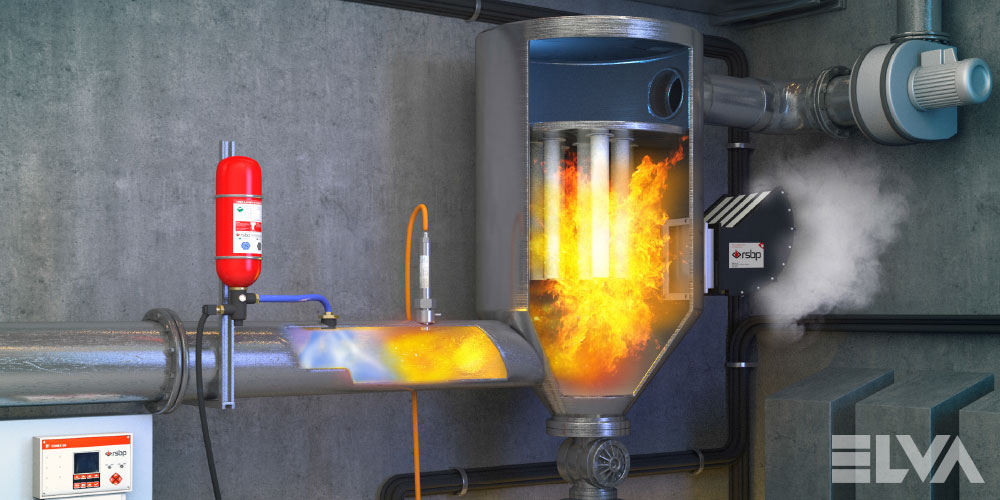
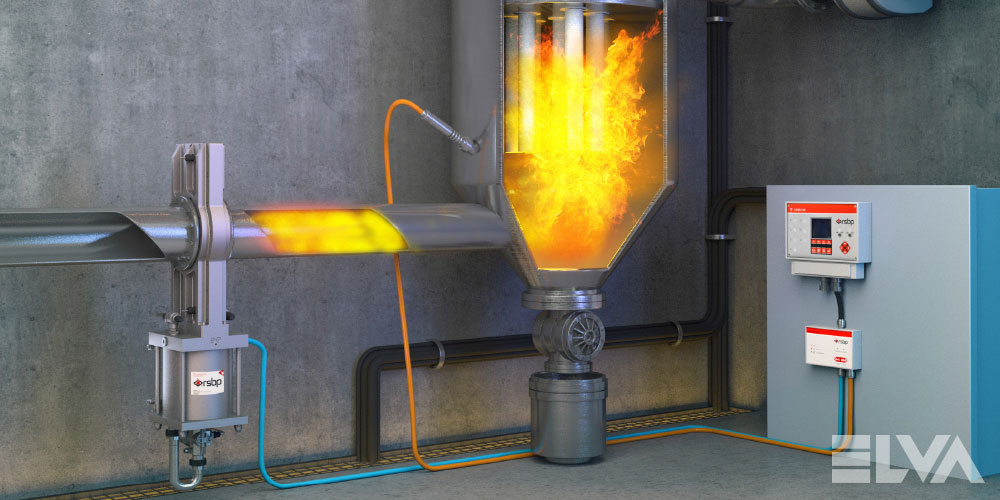
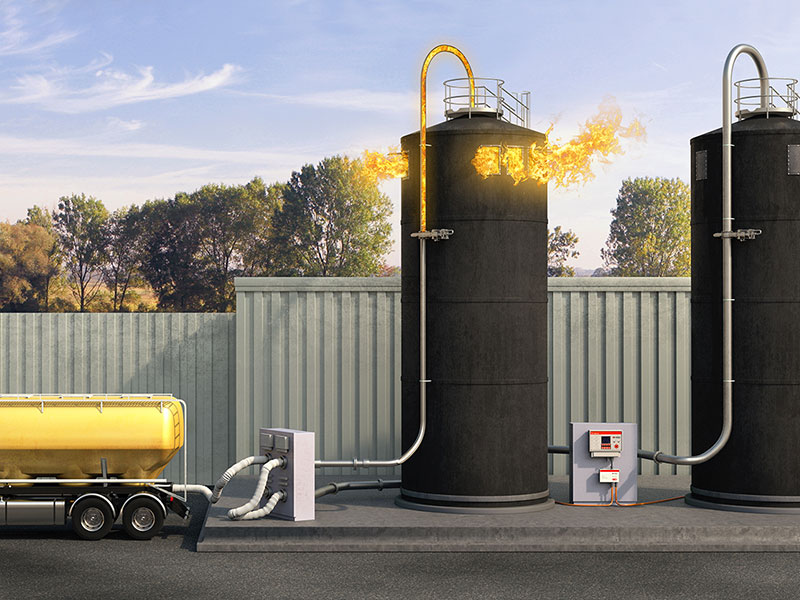
The objective of explosion isolation is to protect interconnected parts in a process and prevent the explosion from propagating.

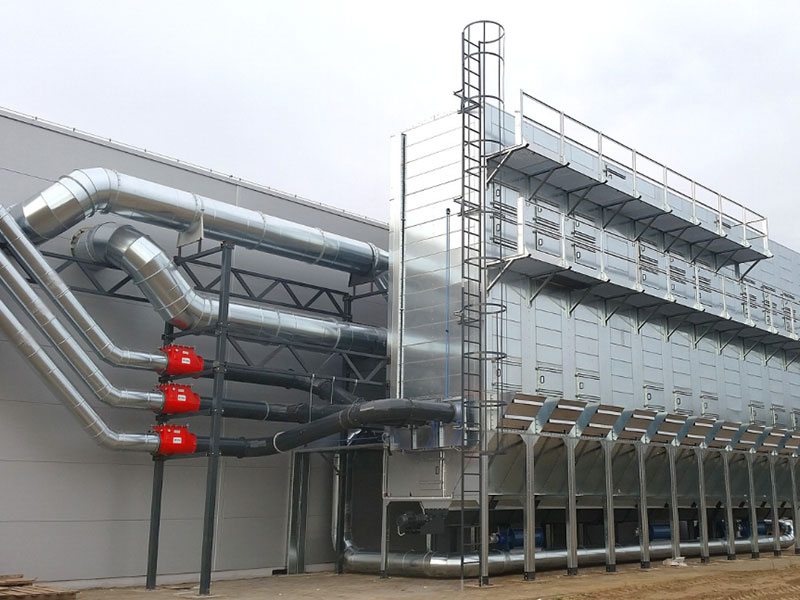
Many closed volumes, silos and equipment in processes are connected to each other by pipelines, pneumatic conveyors or aspiration lines. When a dust explosion occurs, the flames and pressure waves are emitted from these channels and connections to other parts of the process. Pre-compression and flame jet intensify the explosion in these interconnected volumes. The results are secondary explosions that can lead to even larger explosions and detonations.

An explosion isolation system prevents the spread of explosions and the occurrence of secondary explosions. Thus, it minimizes the negative consequences of explosion and protects the connected equipment in the process.

Active and Passive Isolation Systems

Isolation systems can be either active or passive.

  • Passive isolation systems react with the effect of explosion and prevent the spread of flames and pressure waves.
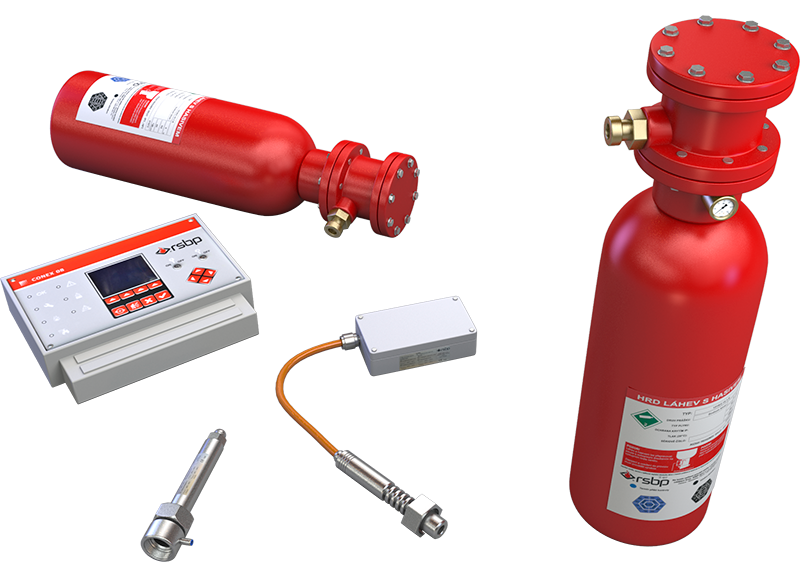
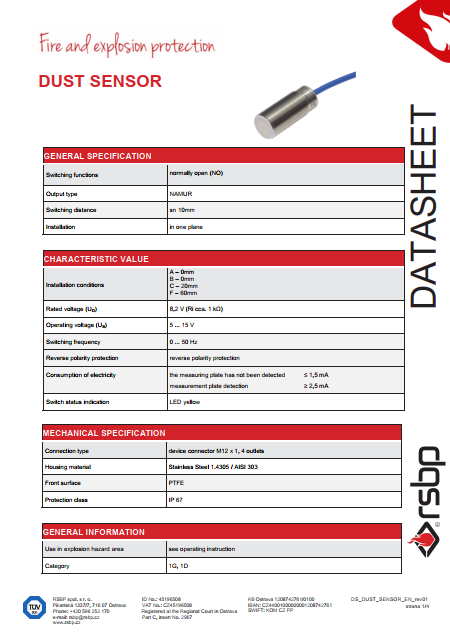
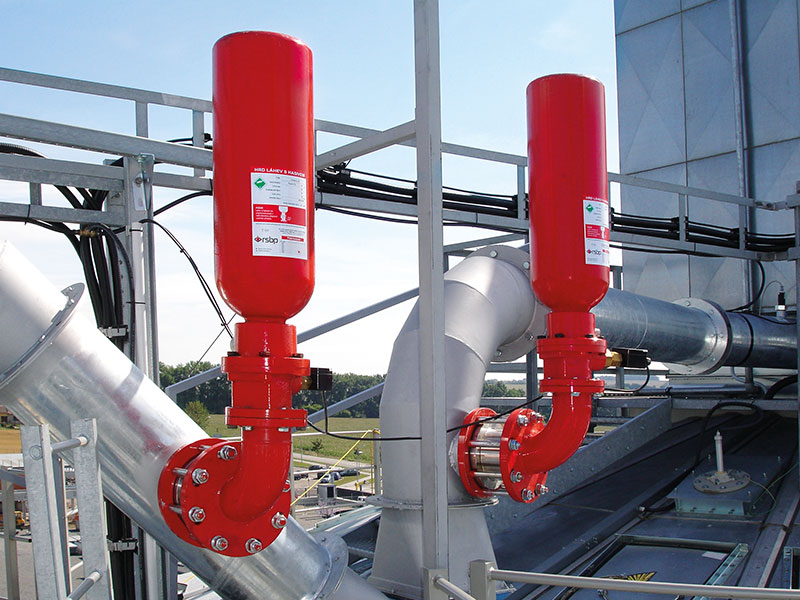
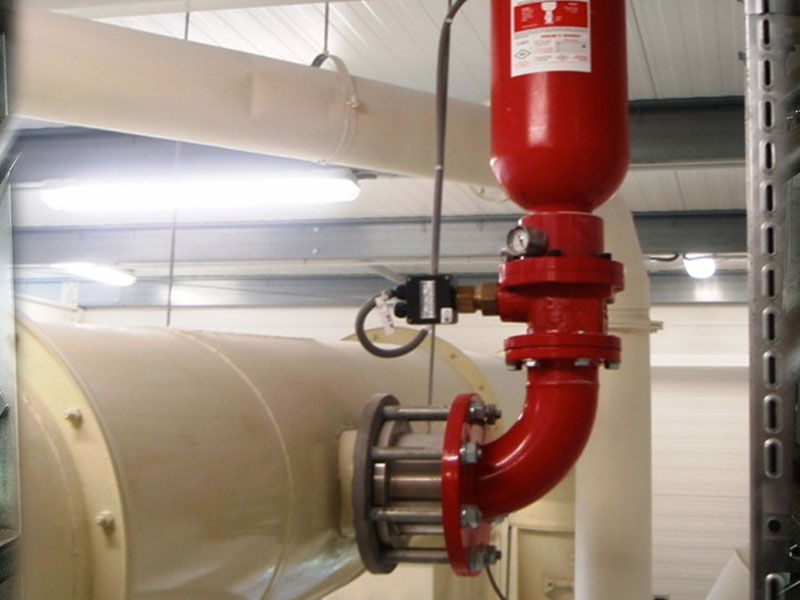
  • Active isolation systems have detectors and sensors that continuously analyze the pressure and flame and trigger countermeasure systems.

The main equipment of isolation systems can be listed as follows;

Active

  • Chemical suppression barrier
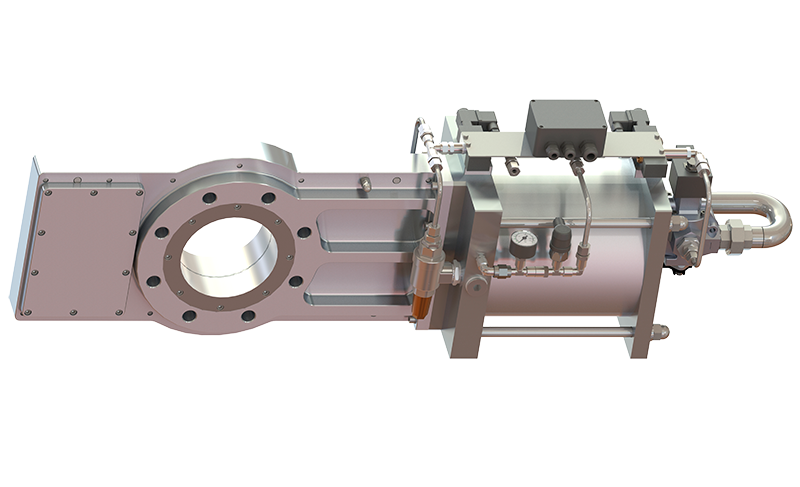
  • Fast acting valves
  • Pinch valves

Passive

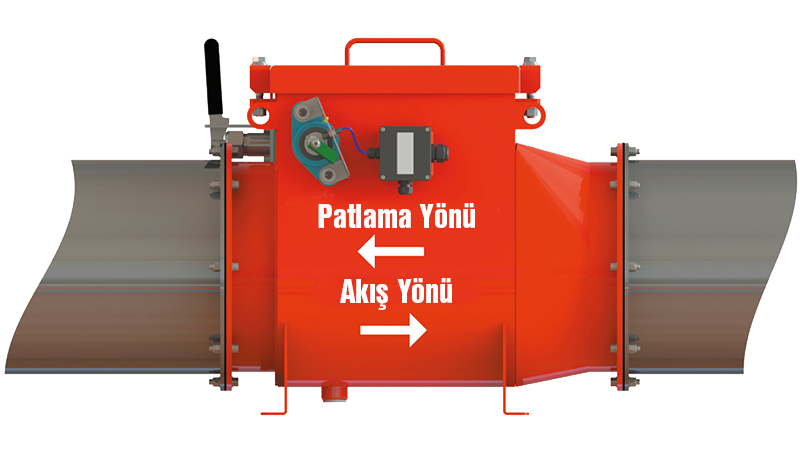
  • Non returning flap valves – one way
  • Non returning flap valves – two ways
ATEX sertifikalı pasif patlama izolasyon sistemi ve geri tepme klepesi çalışması.

Applications

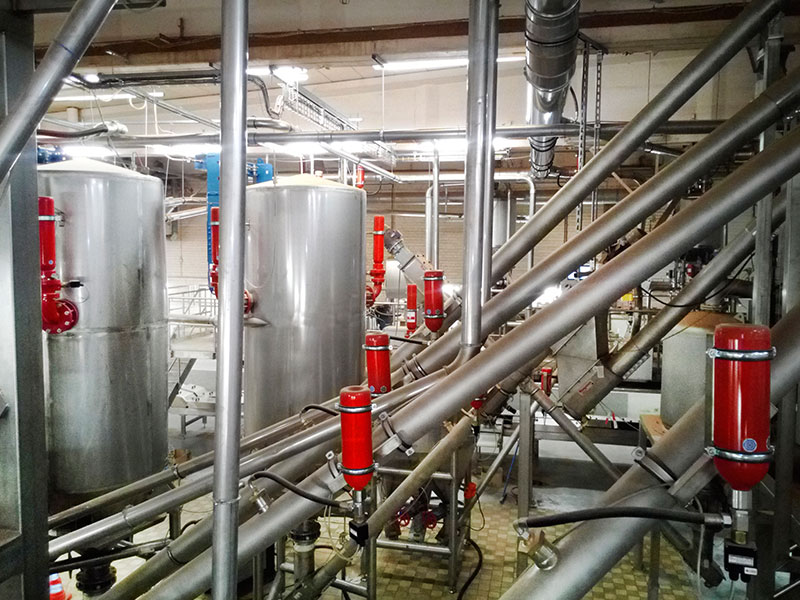
Explotion isolation equipment can be used on a variety of process equipment. The main uses of these equipment can be listed as follows;

  • Pneumatic conveying equipment
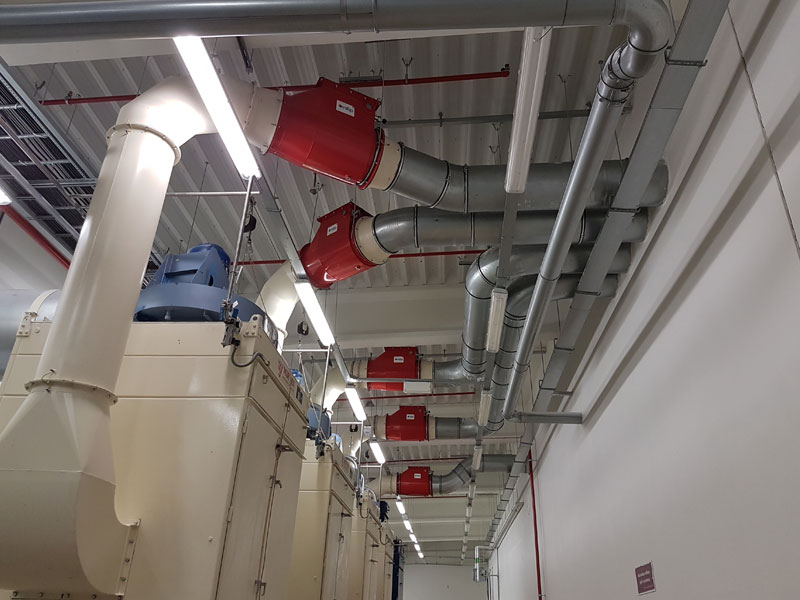
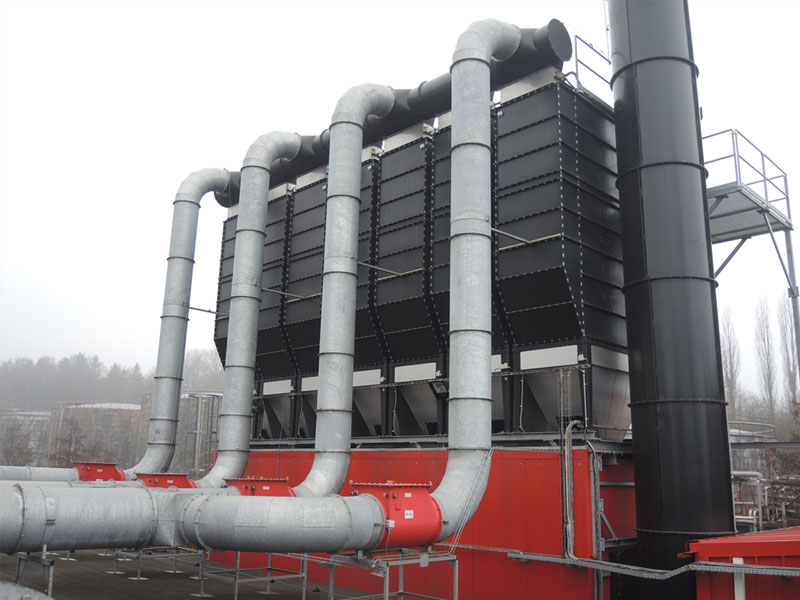
  • Dust collectors
  • Bins
  • Cyclones
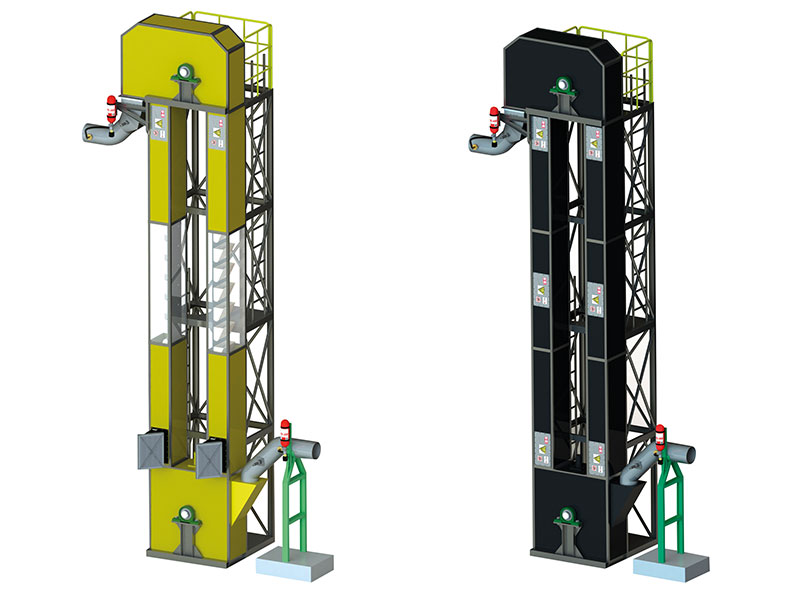
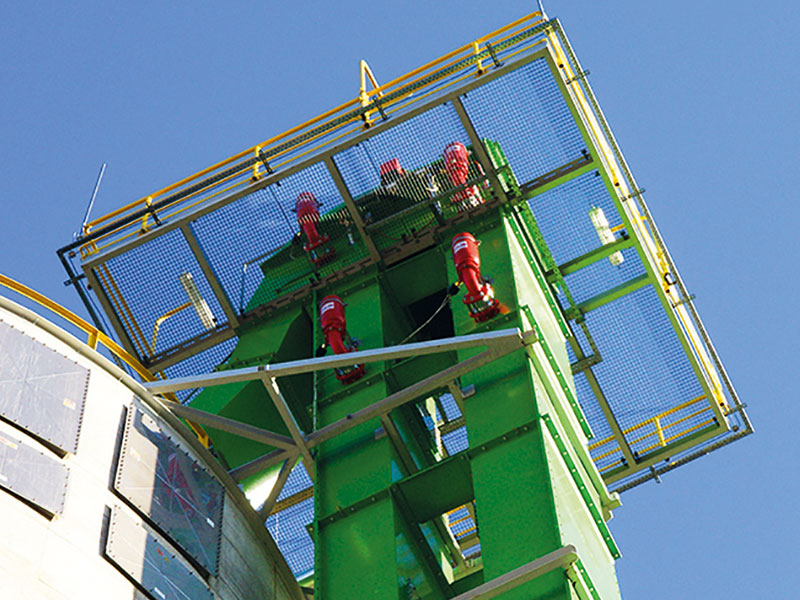
  • Bucket and chain elevators
  • Mills
  • Silos
  • Dryers
  • Fluid be dryers
  • Spray dryers

FAQ: Explosion Isolation Systems

Passive isolation systems react mechanically to the direct physical pressure effect of an explosion, without requiring sensors, closing off the line to block the spread of flame and pressure waves. Active systems, by contrast, use detectors and sensors that continuously monitor pressure and sparks in the process, automatically triggering countermeasures when a hazard is detected.

The equipment used varies depending on the type of isolation. Active isolation systems typically employ chemical isolation and bidirectional mechanical valves.

These products are used in industrial facilities to protect a wide range of process equipment. Key application areas include pneumatic conveying systems, dust collectors, cyclones, bucket and chain elevators, mills, silos, fluid bed dryers, and spray dryers.

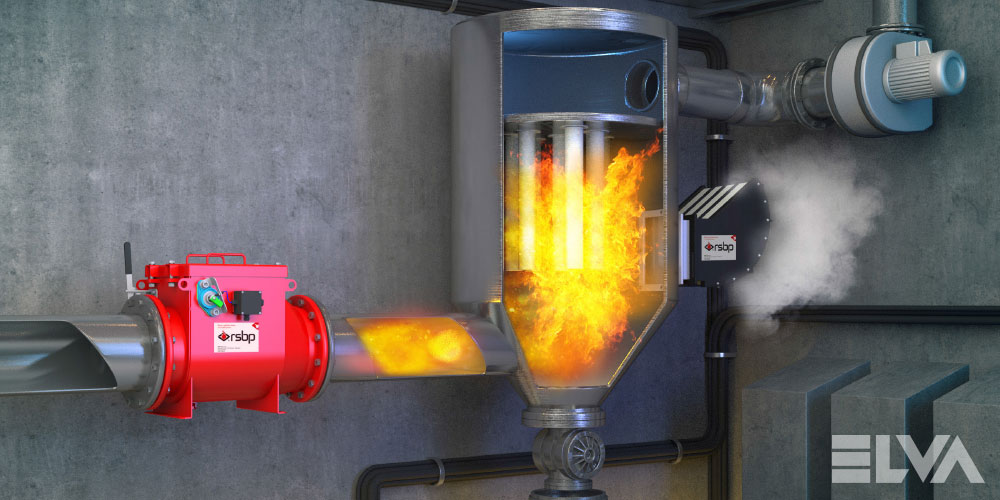
Passive isolation systems operate using the pressure wave generated by the explosion itself within the process, without requiring any external electronic intervention. When the pressure wave reaches the system, its components respond mechanically, closing off the line to stop the flame and pressure wave from spreading to other areas.

Sensors and detectors in active systems continuously scan and analyze pressure conditions and potential sparks within the process in real time. When a potential hazard or the onset of an explosion is detected, they trigger active isolation valves or suppression tubes within milliseconds to secure the system.

Application Examples

Please contact us for more detailed information.

You can call by phone or write via the contact form,
Our experts will respond to you in detail as soon as possible.