Technical Newsletters

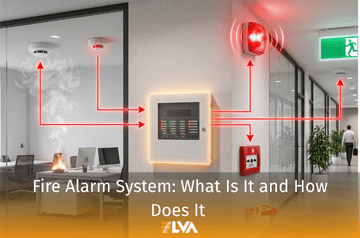
Fire Alarm System What Is It and How Does It more details click us

Fire Alarm System: What Is It and How Does It Work?   Short answer: A fire alarm system detects smoke, heat, or flame through detectors, sends that signal to a fire alarm control panel (FACP), and the panel’s logic decides whether it is a genuine alarm or a fault before
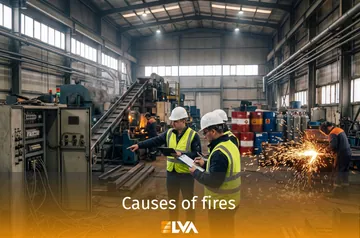
Causes of fires more explain click us

Critical Insight: According to field inspections and accident reports, over 75% of fires in residential and industrial facilities are directly caused by human negligence and electrical infrastructure failures. A vast majority of these incidents are the result of cascading risks created by early-stage undetected micro-arcs, improper chemical storage, and neglected

What Are Fire Classes ıf you want more details click us

What Are Fire Classes?    Short answer: Fire classes categorize fires by the type of fuel burning, so the right extinguishing agent can be matched to the right hazard. There are two different global systems, and they don’t agree on what “Class C” means. In the US, NFPA 10 defines

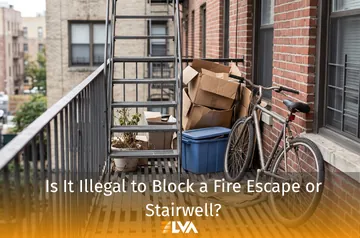
Is It Illegal to Block a Fire Escape or Stairwell More Details Click Us

Is It Illegal to Block a Fire Escape or Stairwell? Answer: Yes, it’s illegal to block a fire escape or store items in a stairwell. Fire and building codes worldwide prohibit obstructing any part of a designated means of egress — this includes NFPA 101 (Life Safety Code) in the

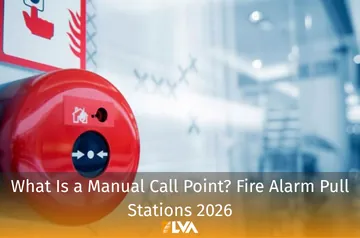
What Is a Manual Call Point More Details Click Us

What Is a Manual Call Point? Fire Alarm Pull Stations Answer: A manual call point (MCP) — called a “pull station” or “manual fire alarm box” in the US — is a wall-mounted device that lets a person manually trigger a building’s fire alarm by breaking a glass cover or

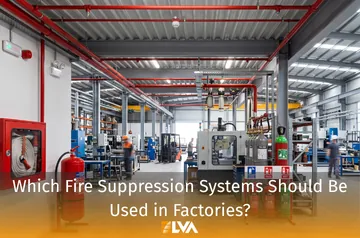
Which Fire Suppression Systems Should Be Used in Factories More Details Click Us

Which Fire Suppression Systems Should Be Used in Factories? Answer: It depends on the hazard. Textile plants typically rely on sprinklers, chemical and petrochemical facilities need foam systems for flammable liquid fires, food factories combine sprinklers with kitchen-specific systems, and metalworking shops depend on dry chemical systems for electrical and

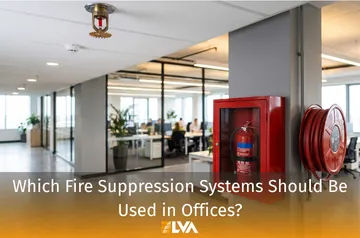
Which Fire Suppression Systems Should Be Used in Offices More Detail Follow Us

Which Fire Suppression Systems Should Be Used in Offices?   Answer: It depends on the area. Open-plan offices and corridors typically use automatic sprinklers plus fire hose cabinets. Server rooms and archives need clean agent (gas) suppression, such as FM-200 or Novec 1230, that won’t damage equipment. Kitchens and general-use

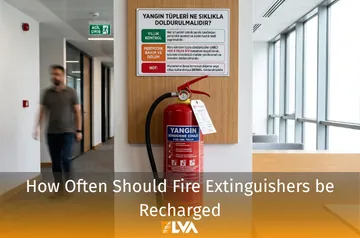
How Often Should Fire Extinguishers be Recharged 2026

How Often Should Fire Extinguishers Be Recharged?   Short answer: Most stored-pressure dry chemical (ABC) fire extinguishers need internal examination and recharging every 6 years from their manufacture date, plus hydrostatic testing every 12 years. CO2 extinguishers require hydrostatic testing every 5 years. Regardless of type, any extinguisher must be

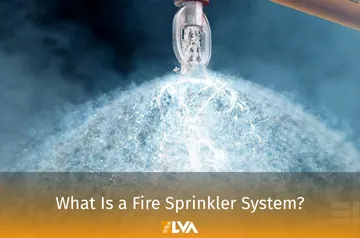
What Is a Fire Sprinkler System more detail click us

What Is a Fire Sprinkler System? How It Works and Where It’s Required Research shows that in buildings with regularly inspected sprinkler systems, 95% of fires are extinguished at the early stage, before the fire department even arrives. That success rate comes down to the most widely used automatic suppression