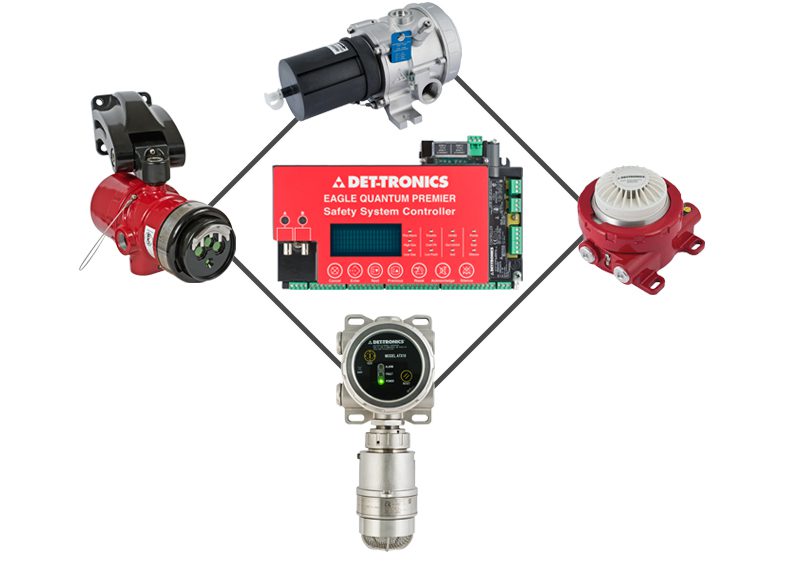
Gas Detection Systems

Petrol ve gaz boru hatları için Det-Tronics endüstriyel gaz algılama sistemleri.

Gas Detection Systems

Explosive or toxic gases that emerge during production processes in industrial facilities can lead to serious occupational accidents and fatalities if left uncontrolled. Gas detection systems are critical safety equipment that detect these gases before they reach dangerous threshold levels and alert the relevant units immediately.

For flammable gases, measurements are based on the Lower Explosive Limit (LEL), while for toxic gases, parts per million (ppm) is used as the reference value. Early warning activates evacuation, ventilation, and emergency response procedures, preventing a potential disaster before it unfolds.

Gas Detection System
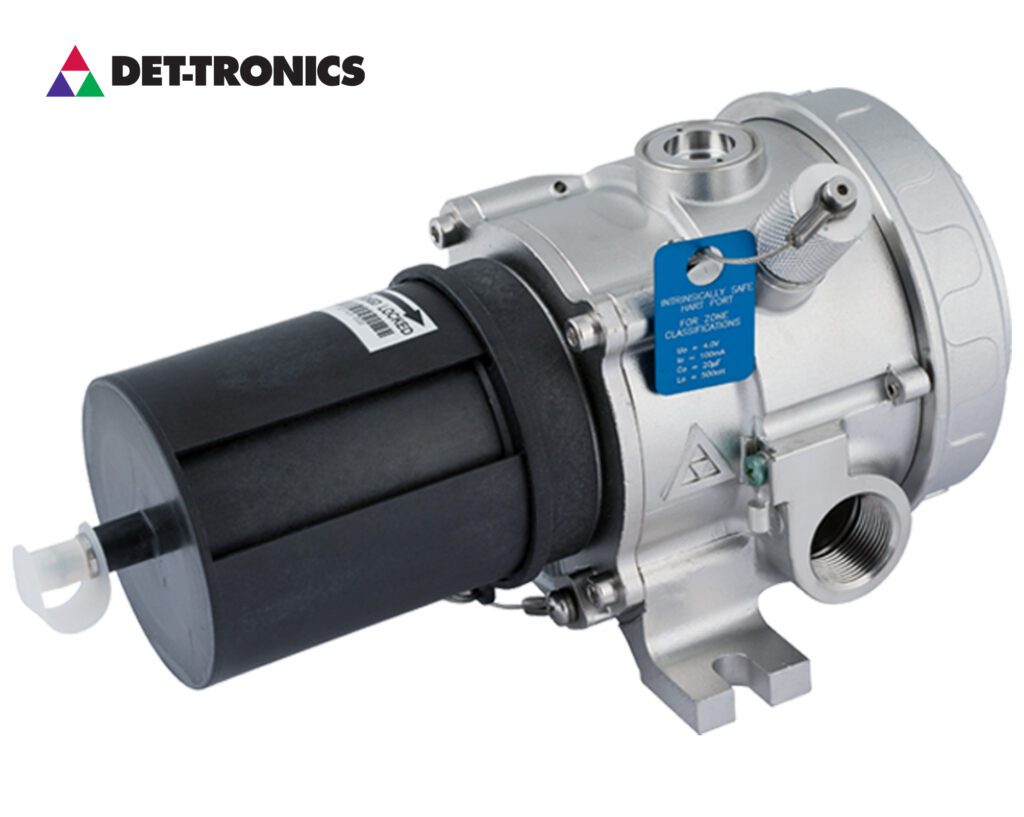
Det-Tronics PointWatch Eclipse kızılötesi yanıcı gaz dedektörü

Gas Detector Types

The gas detection systems we offer at ELVA fall into three main categories. Fixed gas detectors are permanently mounted at designated points throughout the facility, providing continuous 24/7 monitoring. Portable gas detectors are carried by field personnel and measure gas concentration levels in real time. Open-path gas detectors use infrared or ultrasonic technology to detect gas clouds across large outdoor areas.

Main Industries

Gas detection systems form an essential safety layer in any industrial environment where explosive or toxic gas hazards are present — including oil and gas, chemical processing, iron and steel, mining, and wastewater treatment facilities. These systems are frequently evaluated as part of our fire and explosion risk analysis services and are designed to operate in integration with flame detectors and spark detection systems.

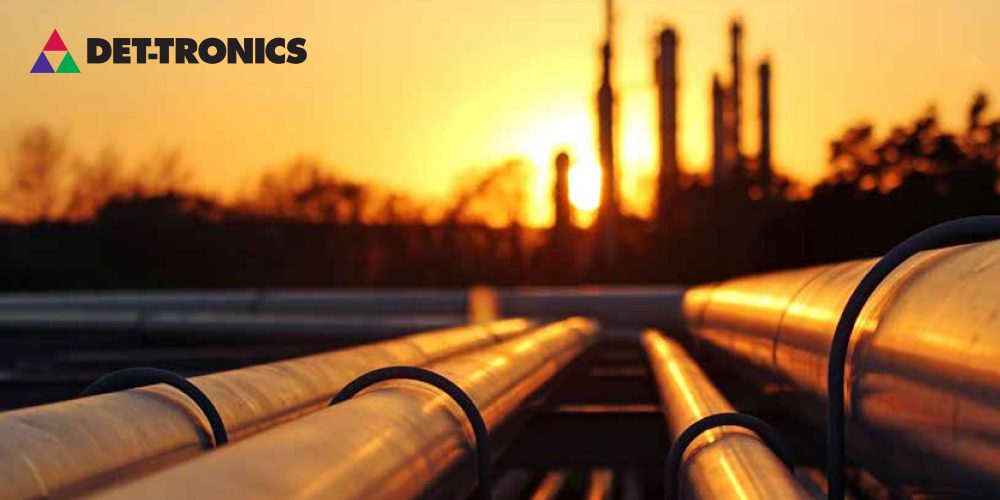
Rafineri ve petrokimya tesisleri için endüstriyel gaz algılama sistemleri

Frequently Asked Questions

What is the difference between fixed, portable, and open-path gas detectors?

Fixed gas detectors are permanently mounted for continuous, facility-wide monitoring and can trigger automated responses such as ventilation or shutdown. Portable gas detectors are handheld units that travel with field personnel, monitoring the air in their immediate breathing zone in real time. Open-path detectors use infrared or ultrasonic beams to scan large outdoor areas, such as tank farms and pipeline corridors, for gas clouds.

LEL (Lower Explosive Limit) is the reference value used to measure flammable gas concentrations — the lowest concentration at which a gas can ignite in air. Toxic gases are instead measured in ppm (parts per million), tracked against occupational exposure limits set by bodies such as OSHA.

Most fixed and portable gas detectors require bump testing before each use and full calibration on a schedule set by the manufacturer and applicable standards — typically every one to six months, depending on sensor type, environment, and how critical the monitoring point is.

Gas detection is essential wherever explosive or toxic gases can accumulate, including oil and gas, chemical processing, iron and steel, mining, and wastewater treatment facilities.

Please contact us for more detailed information.

You can call by phone or write via the contact form,
Our experts will respond to you in detail as soon as possible.